SAFE Project: How Fencing Helps Women Rebuild After Violence
A New Vision for Fencing 
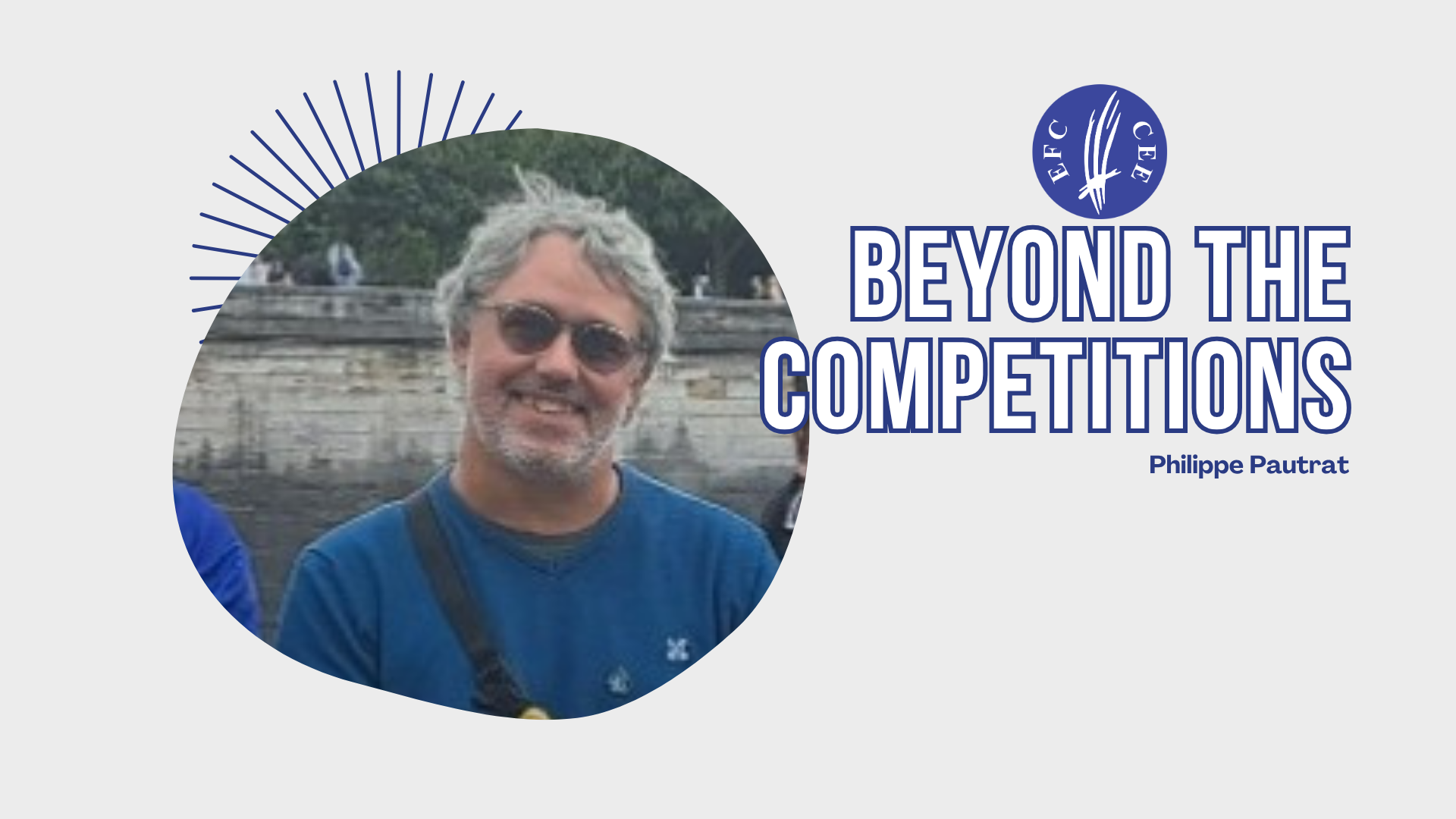
For Philippe, a maître d’armes with 25 years of experience, fencing has always been more than a sport. It has been a space for growth, inclusion, and humanity. Over the years, his teaching journey led him beyond the traditional pistes — from summer programs for children who could not afford holidays, to fencing activities in educational centres, hospitals, and rehabilitation institutes. These experiences naturally guided him towards using fencing as a therapeutic tool for women who have suffered from violence.
“I’ve always seen sport as a means of popular educaion, offering shared values and social diversity,” Philippe explains. “After projects with children in care and with people affected by cancer, it was a natural step to join the initiative of fencing reconstruction for victims of violence.”
Fencing as a Therapeutic Bridge
The European project SAFE – Sport as a Tool for Empowerment and Healing carries the powerful motto ‘when fencing becomes a path to healing’. To Philippe, this represents a therapeutic bridge — a “booster” within a longer journey of personal reconstruction.
“Most of the women who join these workshops have already undergone years of therapy — from group discussions to art therapy,” he says. “Through fencing, they begin to understand that physical repair is also essential. Their body has been harmed; it now needs to be reconnected, strengthened, and trusted again.”
Restoring Distance and Boundaries
What makes fencing uniquely suited for this mission is its essence — the art of distance. “As my colleague Olivier Serwar defines it, fencing is the art of mastering distances,” Philippe notes. “For women whose personal boundaries have been shattered, re-establishing that sense of distance and control becomes deeply symbolic.”
The neutrality of the fencing uniform helps too: everyone wears the same gear, hiding behind a mask that allows them to project who they wish to be — or to see the opponent as they choose. “The contact is indirect, through the weapon,” he adds, “which makes it possible to engage safely, both physically and emotionally.”
A European Initiative with Human Impact
The project owes its existence to the Alice Milliat Association, which, after discovering the workshops, decided to support them through Erasmus+ Sport funding. This allowed the SAFE initiative to expand across Europe, with teams trained in Luxembourg, Belgium, and Portugal to implement the therapeutic protocol in their own countries.
Each programme runs over ten workshops from September to June. “Every session focuses on a specific theme,” Philippe explains. “It lasts four hours and involves a multidisciplinary team — therapists, physiotherapists, and fencing masters. The sessions include group discussions, warm-ups, fencing and therapeutic exercises, and a closing reflection. It’s an intense emotional journey — sometimes difficult — but always transformative.”
Healing the Body Through Movement
The core message of SAFE is that the body must also be healed, as it is the body that has endured the trauma. Participants often arrive disconnected from movement, struggling with confidence or body image. “By moving again, they put life energy back into their bodies. Healing the body through the body — through sport — is truly possible,” Philippe says.
The outcomes speak for themselves: participants report less stress and anxiety, better sleep, improved well-being, and above all, renewed confidence and joy in living.
Towards a Safer Future in Sport
Philippe believes that every federation could integrate such a programme on two levels — as part of Sport & Health initiatives and as a violence prevention plan. “Fencing is just one tool, albeit a powerful one, within a multidisciplinary approach. These women may not become fencers, but if fencing gives them hope, that’s already a victory.”
Looking ahead, Philippe and his colleagues are also developing educational workshops for coaches, aiming to prevent abuse and promote healthy leadership within sport. “To make fencing a place of growth, not of violence — that’s our long-term dream.”
The SAFE Project demonstrates how fencing can transcend competition — becoming a path to awareness, healing, and empowerment. It is a reminder that, at its heart, fencing is not only about crossing blades, but about rebuilding trust, resilience, and life itself.
Asking for your support :
The SAFE Project also includes an important research part designed to help us better understand the realities faced by our community. By taking a few minutes to answer this survey, you’ll be helping us build a clearer picture and take meaningful action together.
Link to the survey
European Fencing Confederation President Tesch shared his strong support for the initiative, saying:
"It is, unfortunately, sad that we need such programmes. But as long as the situation cannot be completely changed, it is part of our values to help—wherever and however we can."