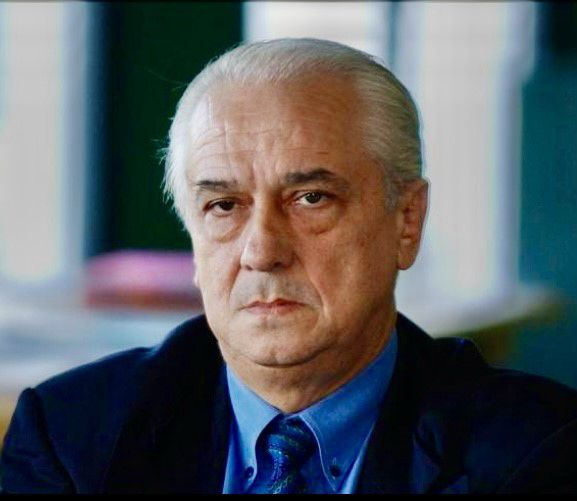
Yesterday, we received the deeply saddening news of the passing of Pierre Abric on December 19. A pioneer in the European fencing community, Pierre played an instrumental role in shaping the European Fencing Confederation (EFC) during its formative years.
As one of the first officials to support the unification of Europe’s national fencing federations into a continental organization, Pierre’s leadership and vision were pivotal. At the time, this concept mirrored the structures of the Asian, African, and Pan American Confederations. Serving as the President of the French Fencing Federation, Pierre provided the fledgling EFC with critical logistical and material support.
Pierre initially served as Vice President of the EFC. However, to establish the headquarters in Paris, he transitioned into the role of Secretary General, working alongside his dedicated collaborator, Brigitte Dumont. Together, they tirelessly worked for 12 years to strengthen and expand the EFC. Under their leadership, the EFC evolved into a robust organization capable of representing and defending Europe’s interests while embracing its educational responsibilities on the global stage.
Beyond his contributions to the EFC, Pierre’s presidency of the French Fencing Federation was marked by extraordinary success. During his tenure, French athletes achieved an impressive 20 Olympic fencing medals, cementing France's reputation as a powerhouse in the sport.
In recognition of his significant contributions, Pierre was honored as an Honorary Member of the EFC following the conclusion of his service in the Comex. His efforts in advancing fencing in France were also celebrated with the prestigious title of Knight in the French “Légion d’Honneur” and his designation as Honorary President of the French Fencing Federation.
The European Fencing Confederation extends its heartfelt condolences to Pierre’s family, friends, and the Fédération Française d’Escrime. His legacy will continue to inspire the fencing community for generations to come.
This article was written by Bert van de Flier (M.H.).