Pascal Tesch on Antalya, the EFC’s Role, and Future Challenges
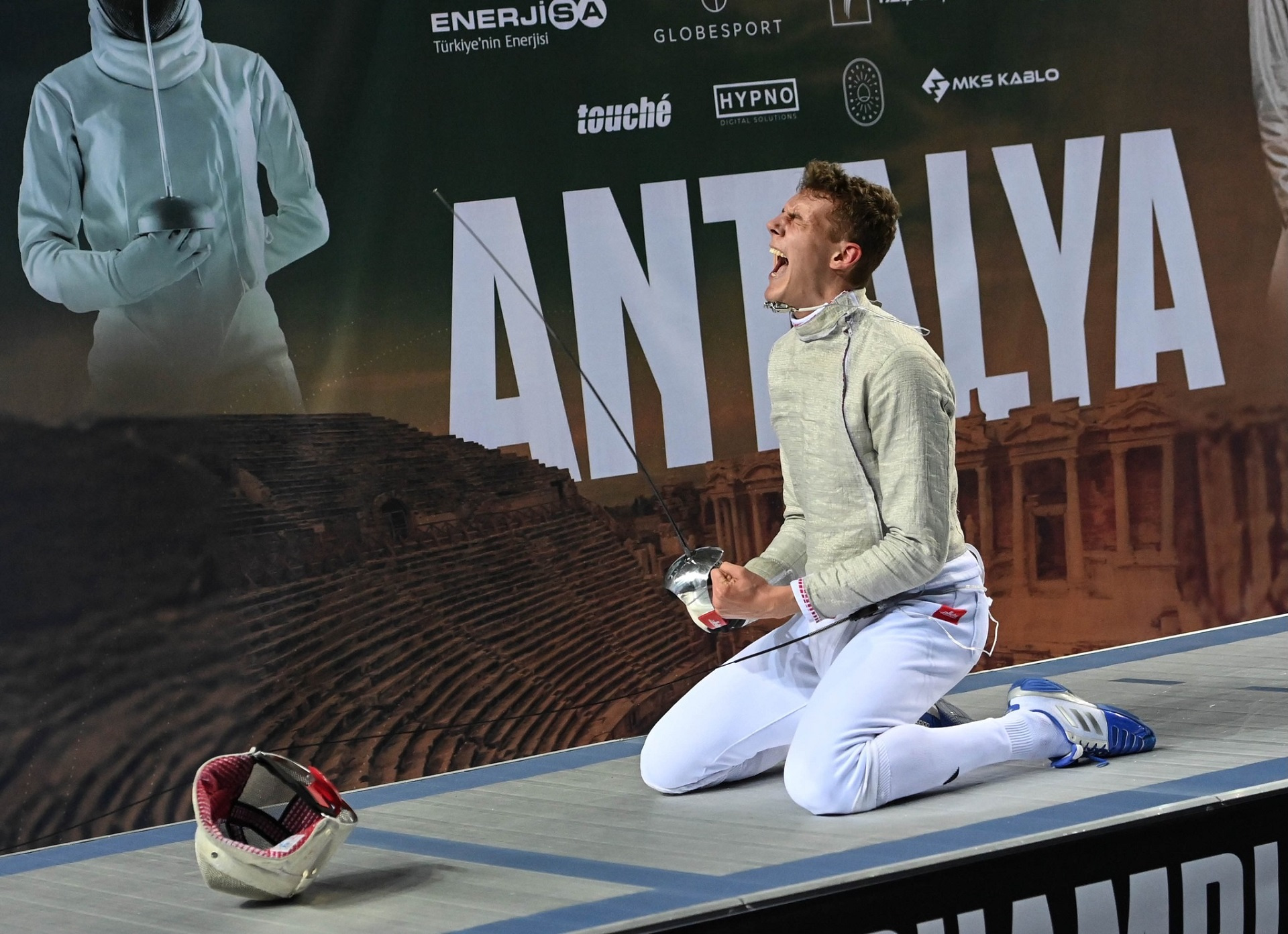
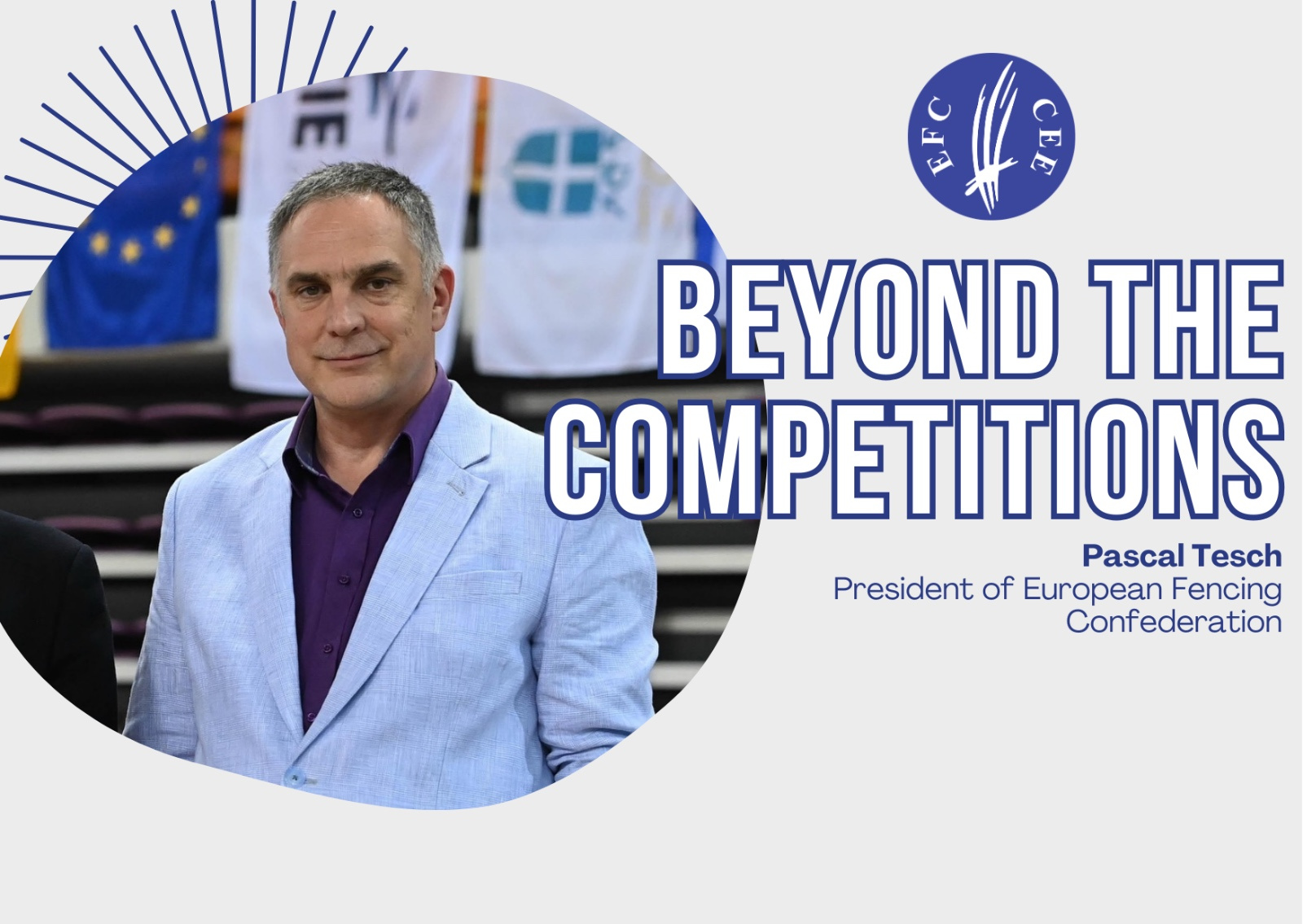
The European Championships in Antalya marked a significant moment for Pascal Tesch, as it was his first major event as President of the European Fencing Confederation (EFC). Reflecting on the tournament’s organization, its challenges, and the broader trajectory of European fencing, Mr. Tesch provided valuable insights into the evolving landscape of the sport.
A Championship of Challenges and Successes
"These championships were my first as President, and naturally, I wanted to introduce changes. However, most aspects of this event—as well as those in Tallinn, U23, and Genoa—had already been arranged before I took office. The main challenge was implementing improvements without disrupting the foundation that had been built."
One unexpected obstacle arose right at the start when heavy snowfall paralyzed Istanbul Airport, causing major travel disruptions. Yet, despite these difficulties, the event concluded successfully. Mr. Tesch attributes this to the collaborative efforts of the Local Organizing Committee (LOC) and the EFC team, who swiftly adapted to the situation.
From an operational standpoint, he introduced a new governance approach, delegating more authority to the president of the Directoire Technique (DT). "This approach proved successful," he noted, as the tournament remained on schedule despite the high volume of daily competitions.
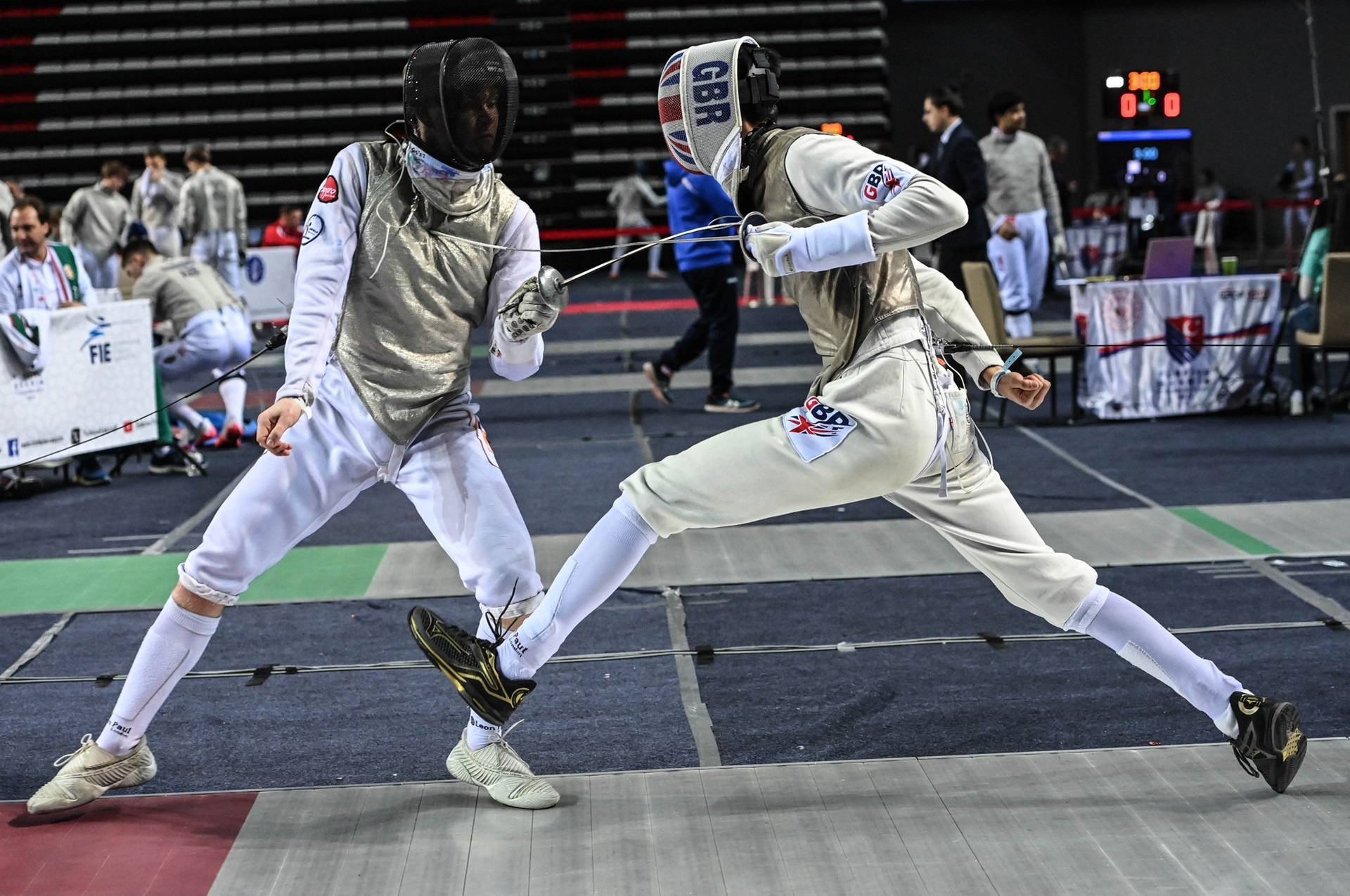
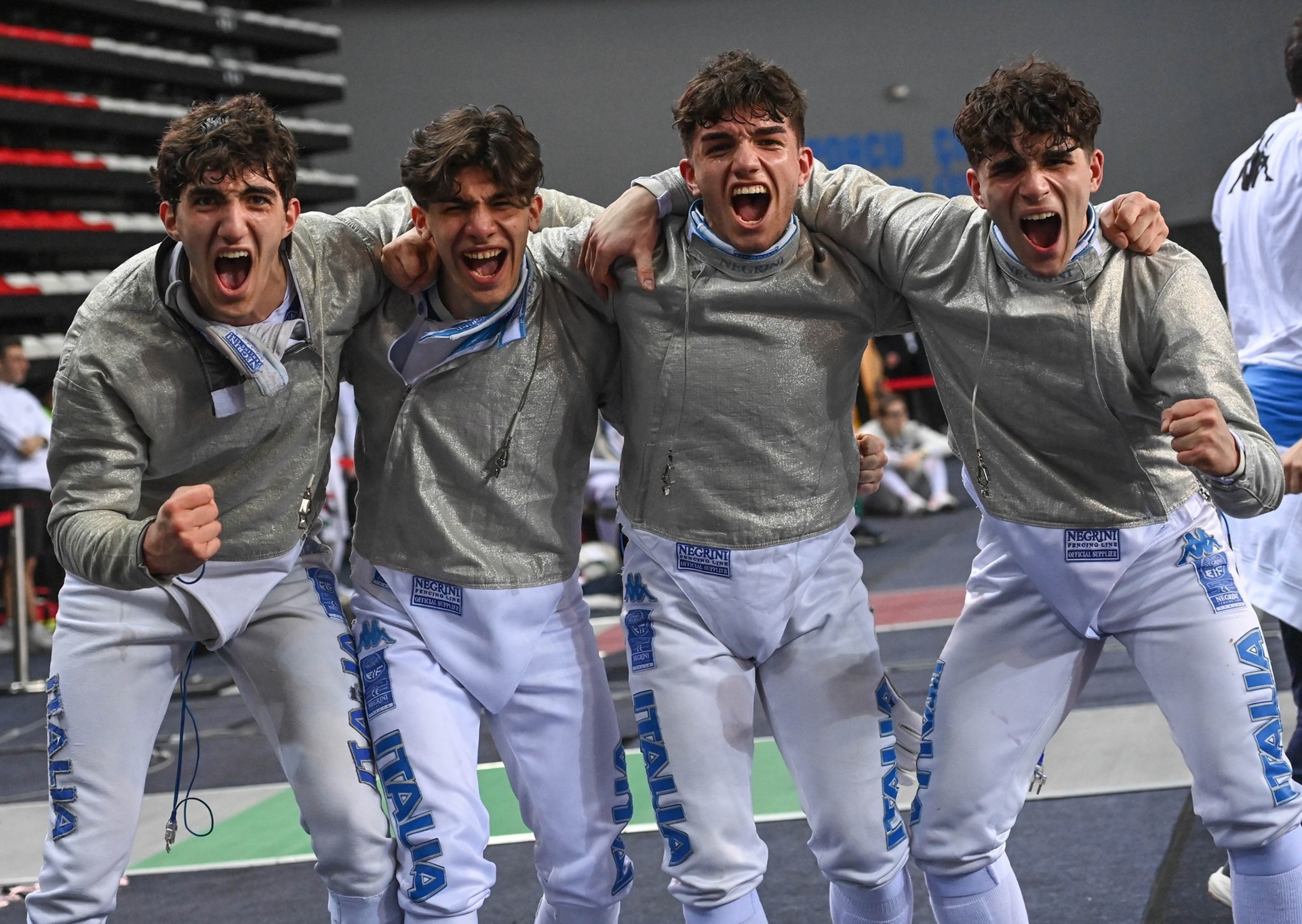
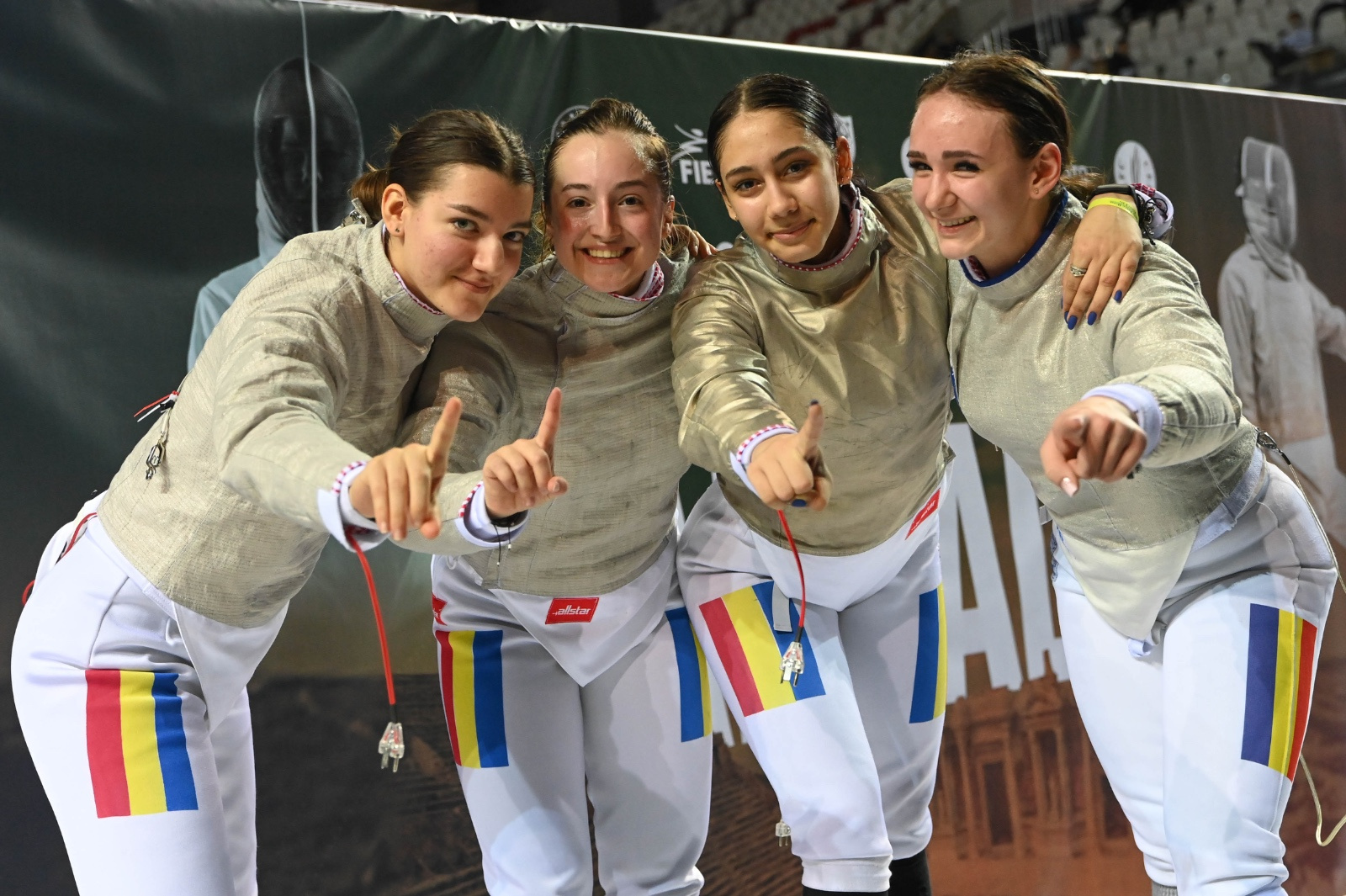
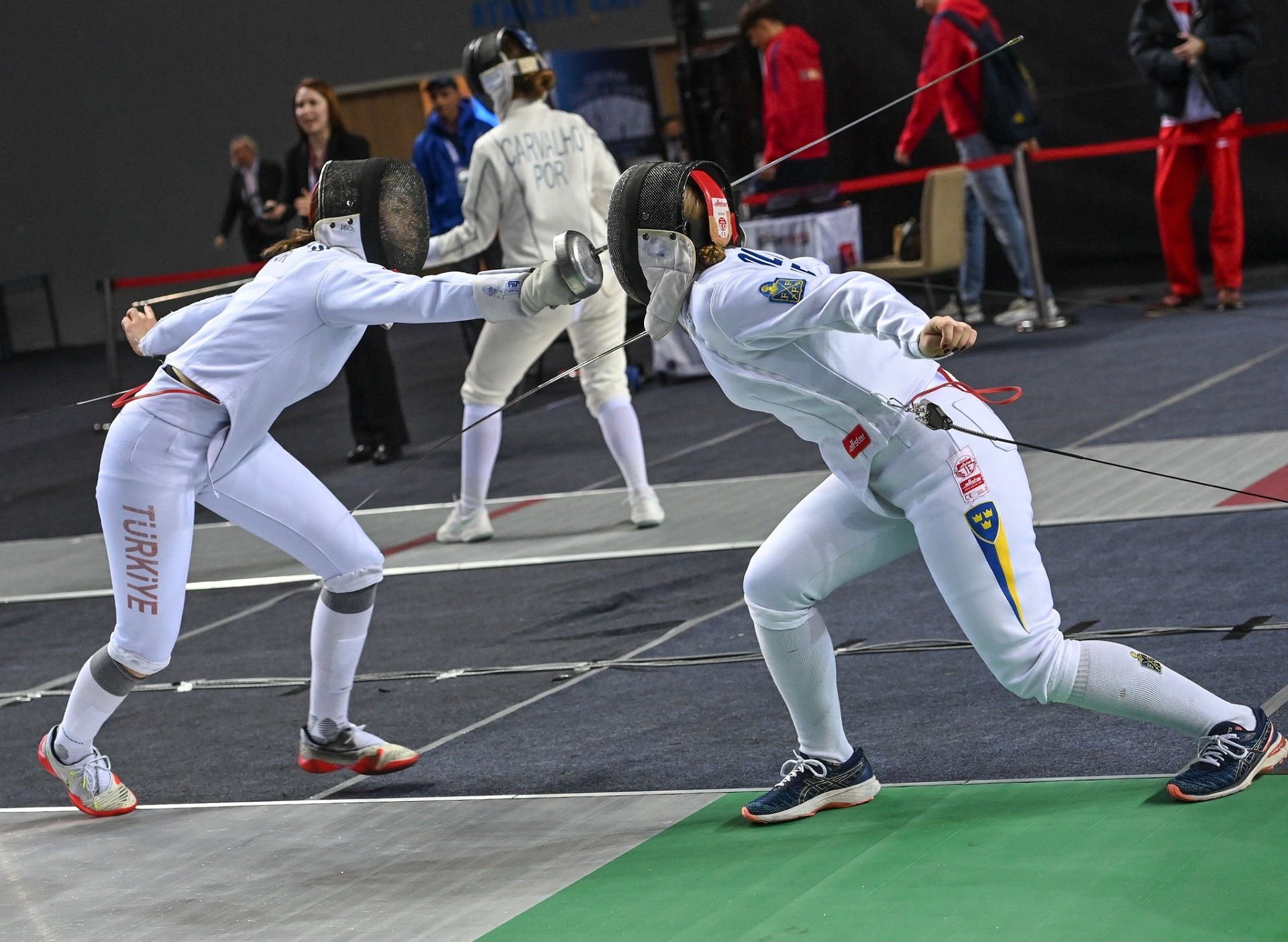
With over 1,000 cadet and junior fencers competing, Europe continued to demonstrate both quantity and quality. "I was particularly pleased that many delegations and coaches praised the event’s smooth organization. However, those who know me understand that I have already identified areas requiring improvement in the future."
Emerging Trends and Notable Performances
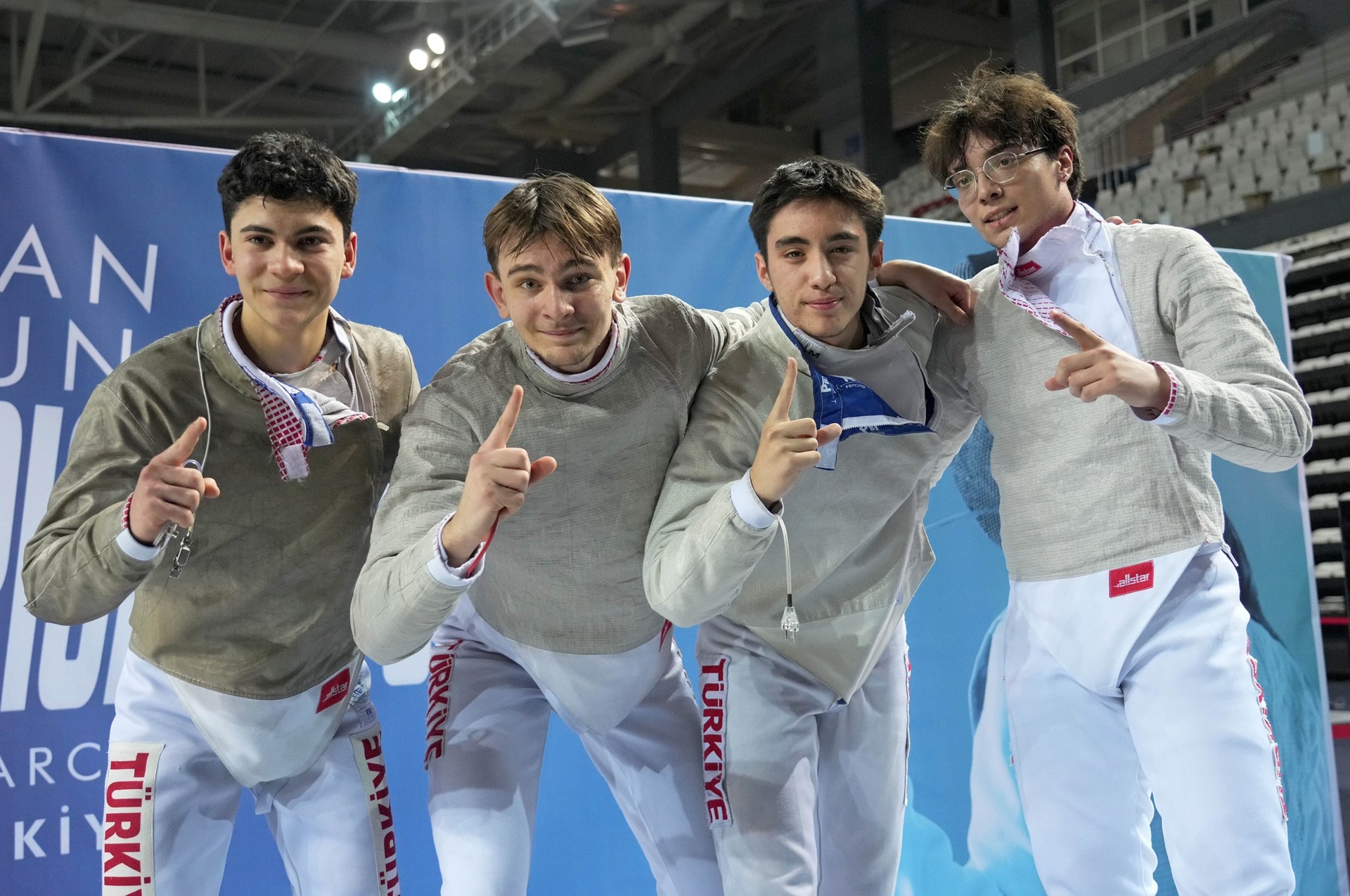
The Championships also highlighted the shifting landscape of European fencing. Türkiye stood out with an impressive medal count, reflecting years of dedicated development. Great Britain also made an impact, securing three unexpected podium finishes.
When discussing young talents, Mr. Tesch remained cautious. "I prefer not to discuss individual results in these categories. Coaches understand that successes at the junior
level can be fragile. Many promising young fencers have been overhyped, only to struggle when transitioning to senior competition."
Nevertheless, the level of competition was remarkable. "Some matches were simply a delight to watch—true showcases of the sport at its best. More than anything, the atmosphere was exceptional."
Shaping the Future of European Championships
Looking ahead, Mr. Tesch emphasizes the importance of building the EFC brand. "We've made progress with interviews, articles, and other content in Antalya, but this is just the beginning. We know how to organize a competition—now we must learn how to market it effectively."
The EFC's role in these events is to set the framework while allowing the LOC to provide local character. "We need formal rules and clear guidance, but the local flair is what makes each championship unique. Striking the right balance between direction and flexibility is key."
One of the innovations introduced in Antalya was a new approach to error handling. "We encouraged everyone to come forward immediately when an error occurred, rather than attempting to conceal it. This worked brilliantly, preventing minor mistakes from escalating into larger issues."
Additionally, the EFC began publishing log files detailing changes to referee assignments. "This step is crucial for rebuilding confidence in our referees. We need transparency and clear documentation while also ensuring that referees receive the mentoring and education necessary to improve."
Engaging Audiences and Growing the Sport
Audience engagement remains a priority. "The Turkish Federation did an excellent job, and feedback was very positive. However, the EFC must invest further in this area. We performed admirably with the resources available, but moving forward, we need 'boots on the ground' to maximize impact."
The response in Antalya was promising, but Mr. Tesch is clear: "It’s time to ignite the next stage of the rocket."
Preparing for the World Championships in Wuxi
As European fencers look ahead to the World Championships in Wuxi, they face a unique set of challenges. "Their opponents!" Mr. Tesch jokes, before elaborating. "At this level, everyone has victory in mind. The greater the prestige, the greater the challenge."
Beyond the fierce competition, European athletes must also adapt to time zone differences and unfamiliar cuisine. "To become a champion, every small detail must be considered," he stresses.
The Road Ahead for European Fencing
With Europe representing over 40% of the global fencing community, Mr. Tesch believes that while expanding the sport worldwide is important, preserving its core values is paramount. "Europe cannot afford to be complacent. Success must be earned, not assumed."
He concludes with a reflection on sustainable progress: "History shows us that forced development rarely succeeds. Instead, true success comes from tolerance, education, and mutual respect. This is the path we must follow."