British Fencing President Pat Aiyenuro Reflects on the EFC Equality & Diversity Workshop and the Path Forward
A Strong, Skilled, and United Commission
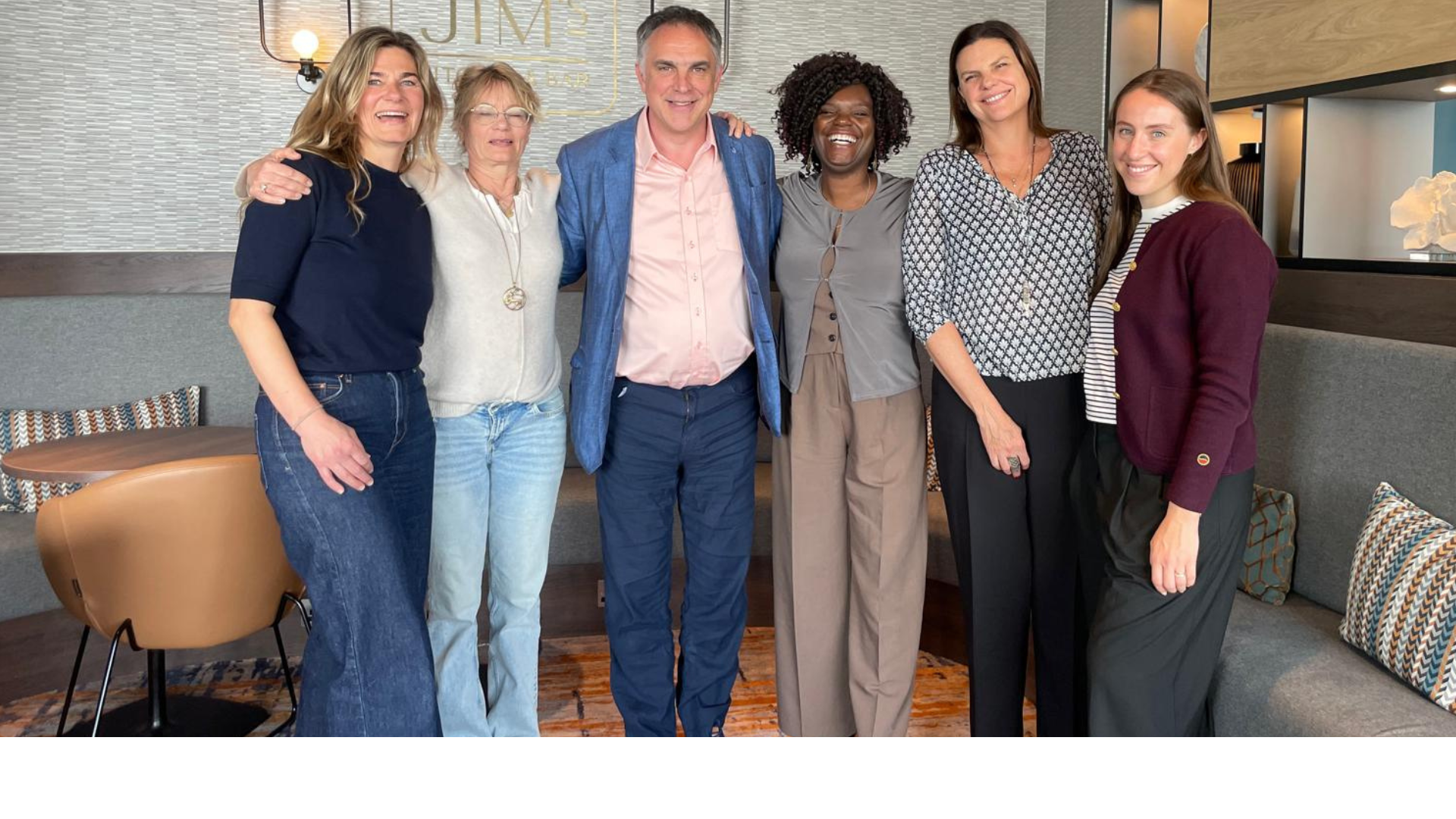
Following the recent Equality and Diversity Commission workshop held in London, the European Fencing Confederation has taken a decisive step forward in turning commitment into action. Pat Aiyenuro, President of British Fencing and a member of the EFC Equality and Diversity Commission, shared her insights on the outcomes of the meeting and the promising direction ahead.
“The commission is a strong working group,” she noted, “comprised of experienced, knowledgeable, and passionate members with a wide range of expertise in the field.” The workshop proved to be an effective platform for aligning goals and establishing a unified action plan. Realistic objectives and clear Key Performance Indicators (KPIs) are now in place to track progress.
“Equality and diversity,” Pat emphasised, “is about valuing the richness of human differences and ensuring that all individuals feel welcome, respected, and able to participate fully in fencing.” Acknowledging that raising awareness within the EFC community is a key mandate, the commission now moves forward with clarity and determination.
Shaping the Conversation Across Europe
The dialogue around equality and diversity in European fencing is evolving rapidly. “We are beginning to see programmes across Europe that make fencing more accessible and welcoming to a wide range of communities,” Pat observed. The next step lies in sharing good practices and reaching even broader audiences.
Creating equal opportunities not just for athletes, but also for coaches, referees, volunteers, and administrators is essential. Identifying and addressing the barriers that prevent certain groups from engaging with fencing will help tackle inequality and promote inclusivity across the board.
A sport that values and respects a diversity of backgrounds and life experiences will ultimately thrive, and the EFC’s coordinated approach is intended to make this vision a reality.
The Role of National Federations
National federations, Pat pointed out, are key drivers in this mission. “They can help by sharing information about successful programmes and learning from each other,” she said. Making equality and diversity a permanent item on every federation’s development agenda is fundamental.
Education will also play a major role. From webinars on specific topics like women in coaching to networking events and community-based workshops, federations are encouraged to collaborate on initiatives and share knowledge. “Diversity is about growing the sport on multiple levels,” Pat added. “Each federation may have its own focus, but there are common themes we can all work on together.”
From Awareness to Action
While it is still early days for this new commission, the goals are clear: raise awareness, amplify existing initiatives, and explore new possibilities — including funding opportunities. “We are also planning to produce educational materials that federations can access online to support their local EDI projects,” Pat shared.
By helping federations understand the value and impact of equality and diversity, the Commission aims to foster more effective collaboration and long-term results.
Accountability Through Measurable Impact
Pat was clear on the importance of tracking progress: “It is imperative to link these initiatives to measurable outcomes. If we collect data on current programmes, we can monitor what works and identify examples of good practice.”
Sustainability is the ultimate goal. The aim is to build stable, supportive environments in which everyone — regardless of background — feels welcome, safe, and able to thrive in fencing.
Looking Ahead: A Shared Commitment
Looking to the future, the Commission is focused on implementing its action plan and building on the diverse strengths of its members. “We are committed to increasing participation in all aspects of fencing,” Pat said, “not just among fencers but also in coaching, volunteering, refereeing, and administration.”
The Commission also plans to highlight the therapeutic benefits of fencing, both physical and mental, which are gaining wider recognition across Europe. These elements form part of a broader strategy to showcase fencing as an inclusive and transformative sport.
With such a motivated and capable team leading the way, the Equality and Diversity Commission is set to play a defining role in shaping a more inclusive future for fencing in Europe.