Irena Suljic shares how safeguarding created a safer and more respectful environment at the Cadet & Junior European Championships
At the Cadet and Junior European Championships in Antalya, safeguarding played a central role in ensuring a safe, respectful, and supportive atmosphere for all participants. Irena Suljic, who served as Safeguarding Officer alongside Enes Ozan Gureş, shared insights into their mission, responsibilities, and a powerful example of how timely intervention can prevent conflict.
“Our main role was to help everyone enjoy the Championships and make sure the event ran according to EFC and FIE rules — particularly the Code of Conduct,” Suljic explained. “Many participants thought at first that Safeguarding Officers were like policemen, but our task is to educate, prevent problems, and help solve them if they arise.”
A Watchful and Supportive Presence
The responsibilities of a Safeguarding Officer cover every aspect of the competition from a security and conduct point of view — monitoring hygiene and safety conditions, ensuring appropriate behaviour, and responding to breaches of rules. “We tried to be visible and approachable throughout the day, so everyone knew they could easily reach out,” Suljic said.
This proactive presence is especially vital in a youth competition setting. “Many young athletes may not know they’re breaking a rule,” she noted. “Sometimes even coaches are unaware of specific conduct expectations. But once we explained the reasoning behind them, everyone was very cooperative.”
Suljic believes that this championship succeeded in making young athletes feel more aware of their rights and safer within the competitive environment. “This allowed them to focus on their fencing and truly enjoy the event, despite the natural stress of competition.”
Real-Time Conflict Prevention
One standout example of effective safeguarding occurred during a tense team match late in the competition. After a dramatic final bout, the winning fencer shouted in the faces of the opposing team in a display of disrespect. Suljic and her colleague recognized the moment’s volatility.
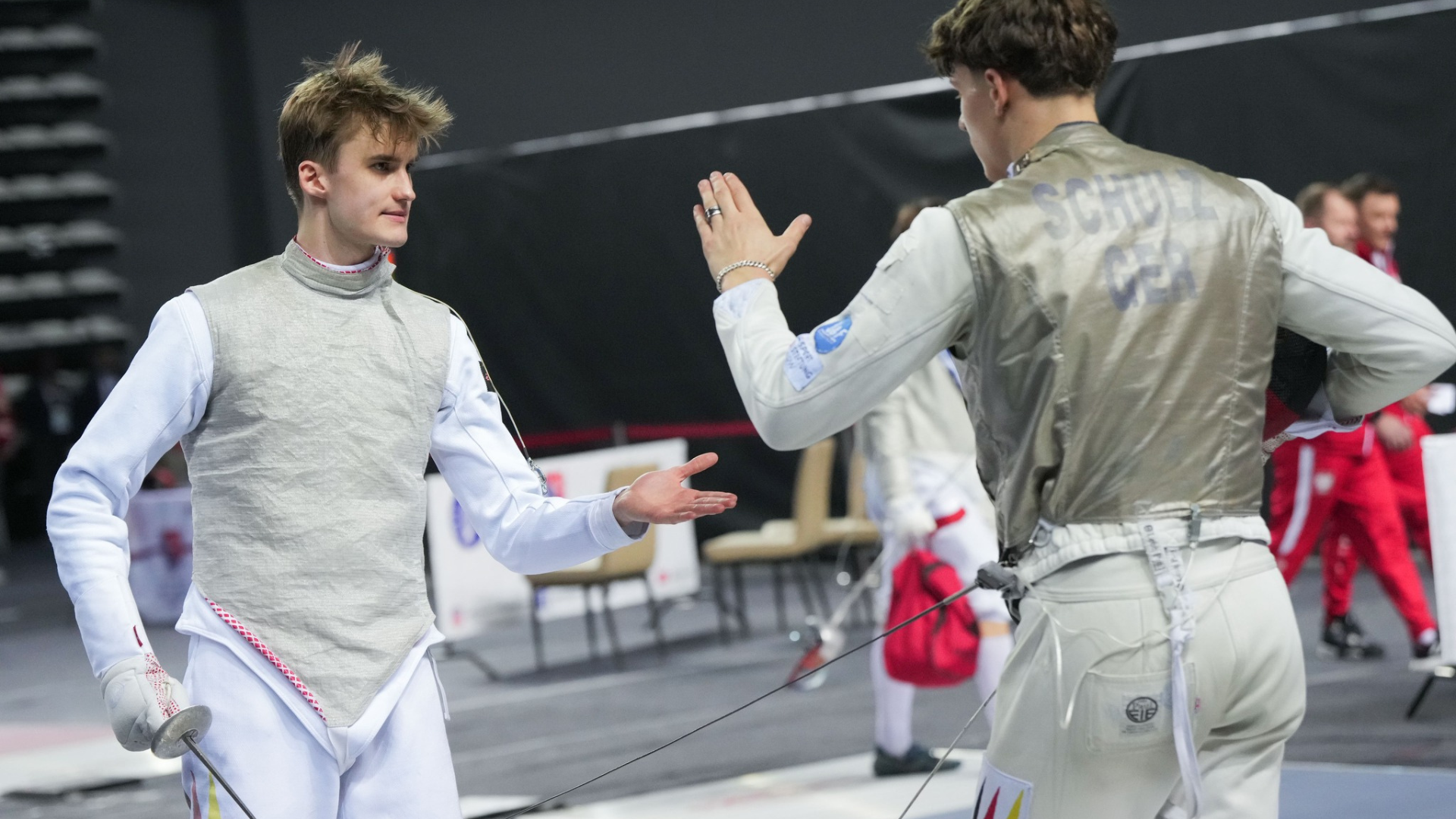
“We spoke directly with the coach of the winning team and suggested an apology. He immediately agreed and brought his athletes to the opposing team to offer a sincere apology. After exchanging a few words, both teams shook hands and wished each other good luck. The situation was resolved peacefully.”
A Message for the Fencing Community
Suljic’s final advice is simple but powerful: “Before attending an EFC or FIE event, know the rules, and respect everyone involved — athletes, coaches, referees, and all staff. If a problem arises, there are always formal channels to resolve it. This way, we can all truly enjoy fencing together.”
Her words are a reminder that safeguarding is not about control, but about care — creating a space where respect, fairness, and safety allow young athletes to grow and thrive.